


 Mandira Itani
Hilsa is located in the Humla District of Karnali Province at an approximate altitude of 3,600 meters above sea level. Hilsa is a small but very famous Nepal-China border town of Nepal, being the last checkpoint for pilgrims who wish to go to Mount Kailash and Lake Mansarovar through the Simikot-Hilsa route.
It is situated on the edge of the Karnali River and is encircled by the beautiful snowcapped mountains.
Although it is a little place with few amenities, Hilsa is still very important because it is the entrance to one of the most honored hindu pilgrimage sites in the world.
Quick Hilsa Facts
|
Location |
Humla, Nepal |
|
Elevation |
~3600 m |
|
Region |
Western Tibet |
|
Distance |
90 KM |
|
Flight Time |
20 minutes from Simikot |
|
Drive Time |
6-7 hours from Simikot |
|
Accommodation |
Basic Guesthouses and Lodges |
|
Transportation |
Heli or Drive |
|
Local Ethnicity |
Tibetan |
Getting There : How to Reach?
Hilsa can be reached via both airways and roadways from Simikot. However, due to the long distance travel via road, almost all pilgrims use the heli route for convenience. While the drive covers around 90 km and takes around 6-7 hours of travel time, the heli ride takes a mere 20 minutes.
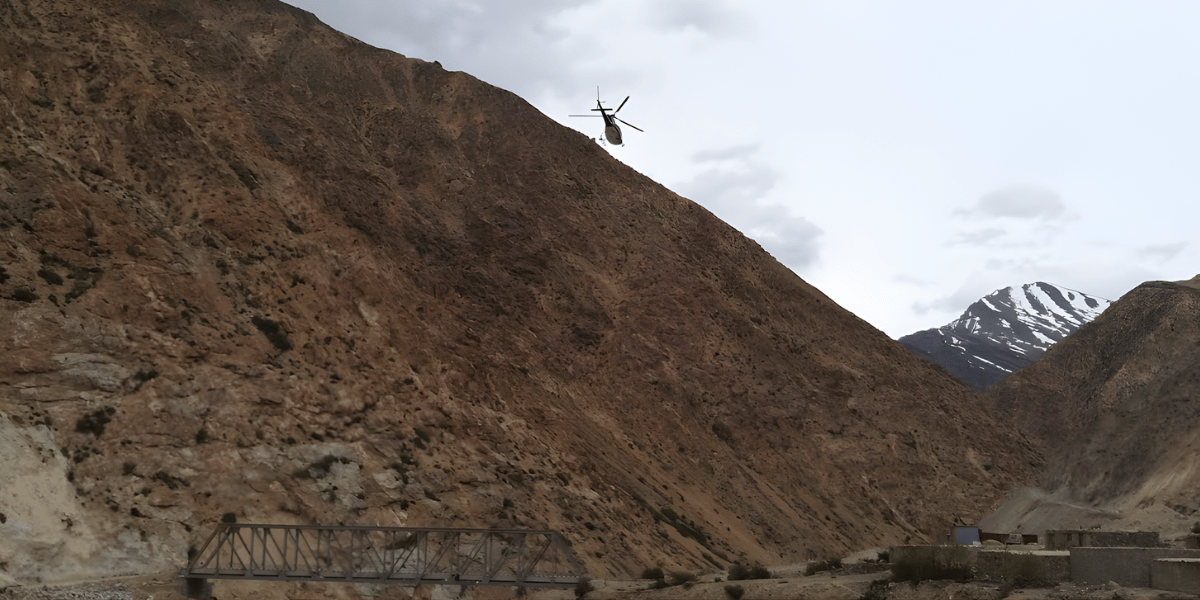
Of all the Kailash Yatra itineraries, the heli option is the most popular among pilgrims since it takes them via the least crowded immigration post, Hilsa, and follows the most comfortable route.
After passing the immigration formalities, pilgrims cross the border and carry on to Taklakot. This reflects the start of the Tibetan part of the Kailash Mansarovar Yatra.
Where to Stay?
Accommodations in Hilsa are quite basic and limited since the main function of the village is to serve as a transit point rather than a resting place.
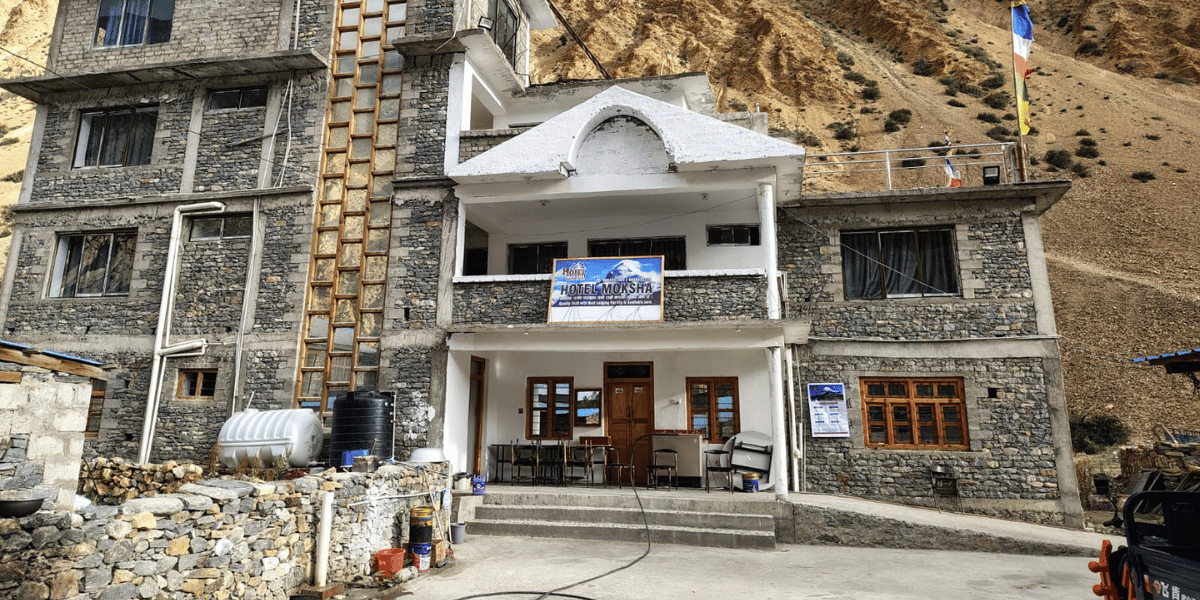
They have around 10 to 15 guesthouses and lodges, with the village having only 20 to 25 houses. The lodges that are available offer very basic bedding, shared bathrooms, shared rooms and very little access to hot water.
Most of the pilgrims stay here only for a short time or to travel to Taklakot on the same day. The schedule for the pilgrims heading to Kailash generally doesn’t include a stay here, except in case of heli delay due to weather changes or visa delays and such.
Things to Do and See
Hilsa is not one of the places where you go to enjoy the view but gives you the rare opportunity to be present at one of the most isolated Himalayan border regions.
The pilgrims can see the enormous force of the Karnali River, which is born in the vicinity of Mount Kailash and regarded as holy in Hindu religions.
The snowy peaks around and the green hills contribute to the breathtaking and mystical atmosphere, thus amplifying the feeling of being in a sacred area.
Immigration procedures are carried out on both the Nepal and Tibet sides after arriving at the border, a procedure that can take several hours depending on the number of people and the weather.
Usually, people spend the whole day in Hilsa going through immigration, taking short rests and getting mentally ready for the next higher altitude journey.
 Send an email
  +9779851166779
 +9779851166779