

 Mandira Itani
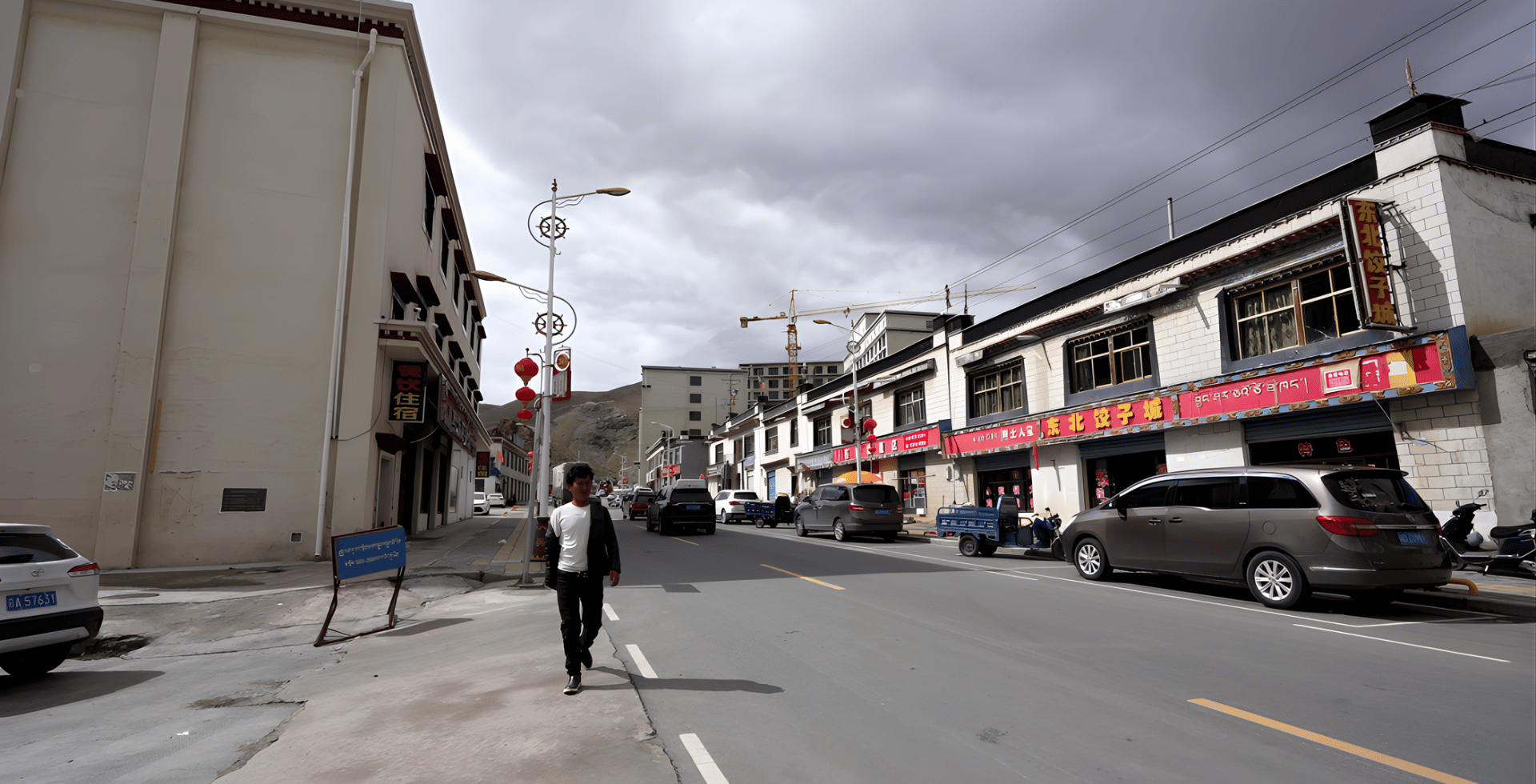
Saga, one of the most significant towns along the Kailash Mansarovar route, functions as a primary logistical and acclimatizing center for the pilgrims who are going deeper into the western part of Tibet.
Located by the Brahmaputra (Yarlung Tsangpo) River on the vast plains, Saga links together Kyirong, Lake Mansarovar, Darchen, and Mount Kailash.
Usually, after departing from Kyirong, pilgrims take a one night stay at Saga to acclimatize to the increasing altitude and get ready for the more secluded areas.
With better facilities than the smaller Tibetan towns, Saga ensures comfort, relaxation, and basic services before being directed to the holy places.
Saga Facts
|
Location |
Saga |
|
Elevation |
4500 m |
|
Region |
Western Tibet |
|
Distance |
From Kyirong: 155 KM Distance to Mansarovar: 450 KM |
|
Accommodation |
Basic to Luxury Hotel |
|
Transportation |
By Private Car By Coach bus |
|
Local Ethnicity |
Tibetan |
Getting to Saga
One can reach Saga from Kyirong on a scenic and comfortable 155 km drive. After getting used to the high altitude in Kyirong, the pilgrims proceed to Saga by a tourist coach or private jeep.

The route is so varied and at the same time so beautiful that the travelers made a gradual change from green valleys to the barren land of western Tibet. Normally, the journey lasts 4 to 5 hours.
Where to Stay?
Saga provides a variety of Tibetan hotels, which range from the most basic level to comfortable ones. They have dependable facilities such as warm rooms, private bathrooms, hot water for showers, and dining halls that offer Tibetan and Chinese cuisines. Even though there is not much luxury, the locations are still some of the best in western Tibet.
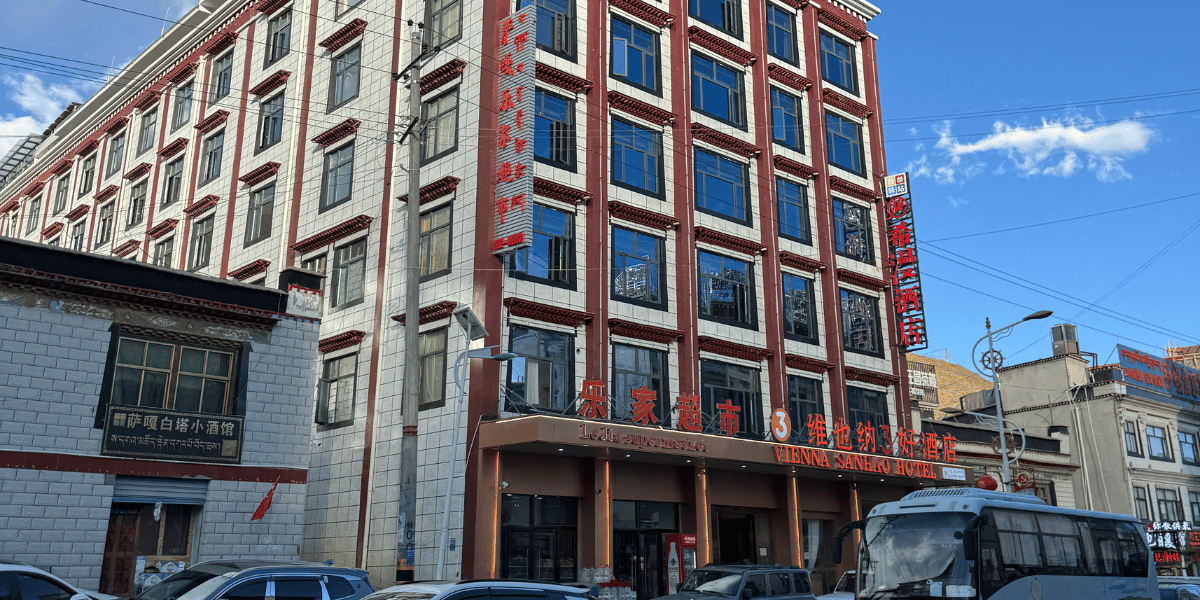
The night at Saga is important for the body to get used to the altitude, as the pilgrims will go from lower to the very high plateau. There are also medical services available and small shops where last-minute supplies can be bought.
Things to Do and See
Saga is not so much about sightseeing but rather about physical preparation. Still, the great open spaces, riverbanks, and faraway snow-covered mountains convey a strong feeling of getting into the spiritual wilderness of Tibet. Exploring, resting and trying local cuisines are the most recommended activities here.
 Send an email
  +9779851166779
 +9779851166779